The First Layer of Beauty: Understanding Your Skin Barrier
A beautiful, radiant complexion starts with a healthy skin barrier, the cornerstone of strong, balanced, and resilient skin.
Often overlooked, the skin barrier is your skin's natural defense system. It helps retain moisture, supports the skin's ability to protect itself from environmental stressors, and plays an important role in keeping the complexion comfortable and balanced.
When the barrier is healthy, skin usually appears smoother, and more resilient. On the other hand, when it is damaged, skin can become sensitive and reactive, making even familiar skincare products feel uncomfortable.
Understanding your skin barrier is the first step towards understanding what your skin truly needs.
What Is the Skin Barrier?
It is the outermost layer of the skin that works as a protective layer of the body. It consists largely of skin cells surrounded by lipids like ceramides, cholesterol, and fatty acids.
Consider it a defensive barrier, which helps in reducing excessive water loss, maintain elasticity, pH, and safeguard against external irritants.
Why Is Protecting Your Skin Barrier So Important?
Your skin is constantly interacting with the outside world. Sun exposure, pollution, changes in temperature, cleansing, cosmetics, and everyday environmental stress can all place demands on it.
A well-functioning barrier helps the skin retain moisture and remain comfortable. It also supports the skin's natural defense against environmental irritants.
When the barrier becomes weakened, the skin may lose water more easily. It can become dry, tight, rough, or unusually sensitive, and products that were previously comfortable may suddenly sting or feel irritating.
This is why barrier care should not be considered a temporary skincare trend. It is one of the foundations of healthy skin.
How Do You Know If Your Skin Barrier Is Compromised?
Your skin often gives you clues when its barrier needs more attention:
- Persistent dryness or tightness, especially after cleansing
- Flaking or rough texture
- Increased sensitivity
- Redness or discomfort
- Skincare products suddenly causing stinging or burning
- A feeling that your skin is simultaneously dry and dehydrated
- Increased reactivity to products or environmental changes
However, one sign alone does not necessarily mean your skin barrier is compromised.
What Can Compromise the Skin Barrier?
Sometimes, the desire to achieve better skin can unintentionally work against it.
Cleansing too often, exfoliating excessively, or using several strong actives at once can sometimes leave the skin feeling stressed and sensitive. Even using hot water, harsh cleansers, and everyday environmental exposure may further disrupt the skin’s natural comfort and balance.
Another common mistake is trying to remove every trace of oil from the skin. Natural skin lipids are not the enemy. Your skin needs a balanced amount of lipids to support its protective function. Constantly stripping them away can leave the skin feeling tight and vulnerable.
Ingredients That Support a Healthy Skin Barrier
Good barrier care is less about chasing one miracle ingredient and more about giving the skin what it needs to maintain moisture and comfort.
(i) Ceramides: Ceramides are naturally occurring lipids found in the skin. They help support the structure of the skin barrier and reduce moisture loss. They are particularly useful in formulations designed for dry or barrier-stressed skin.
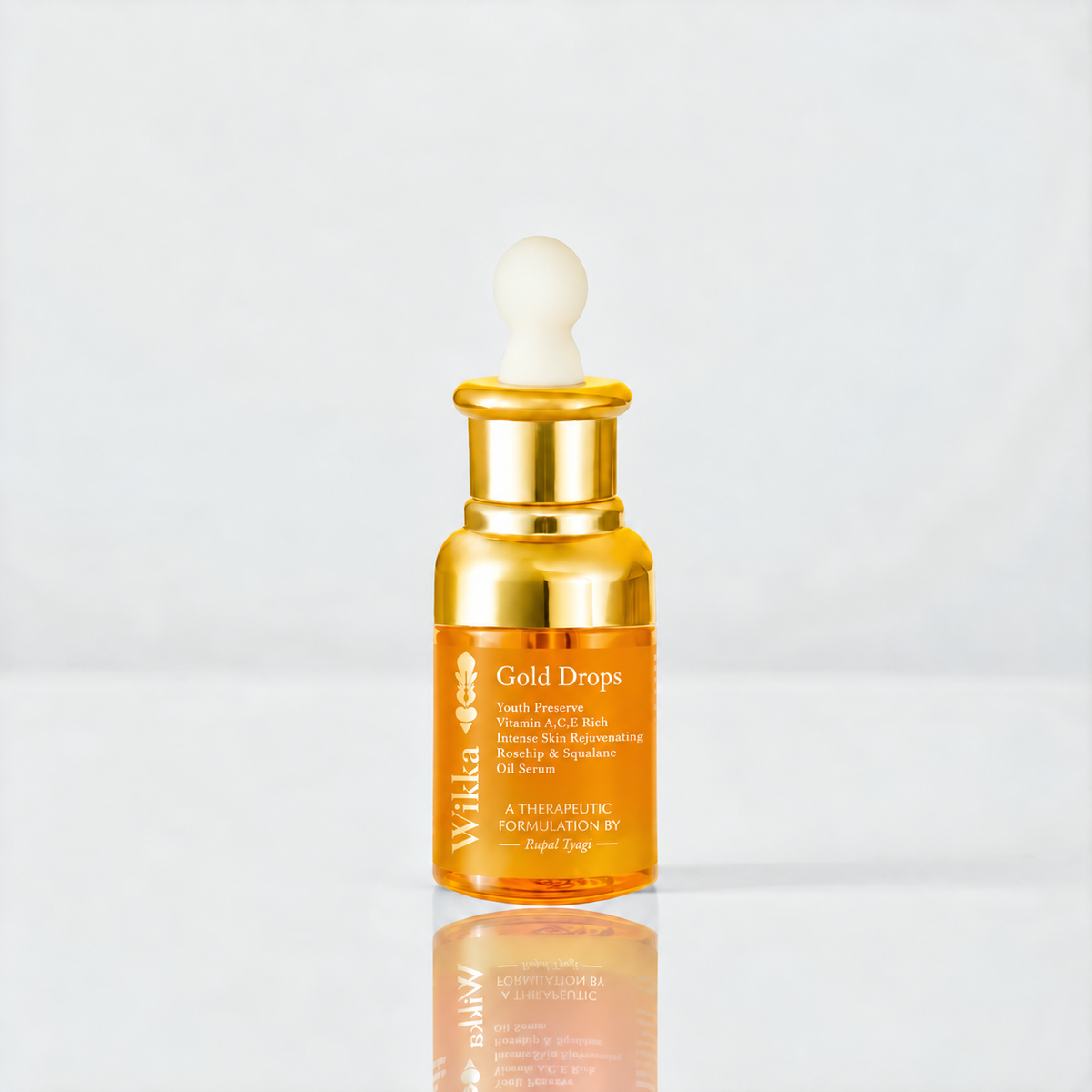
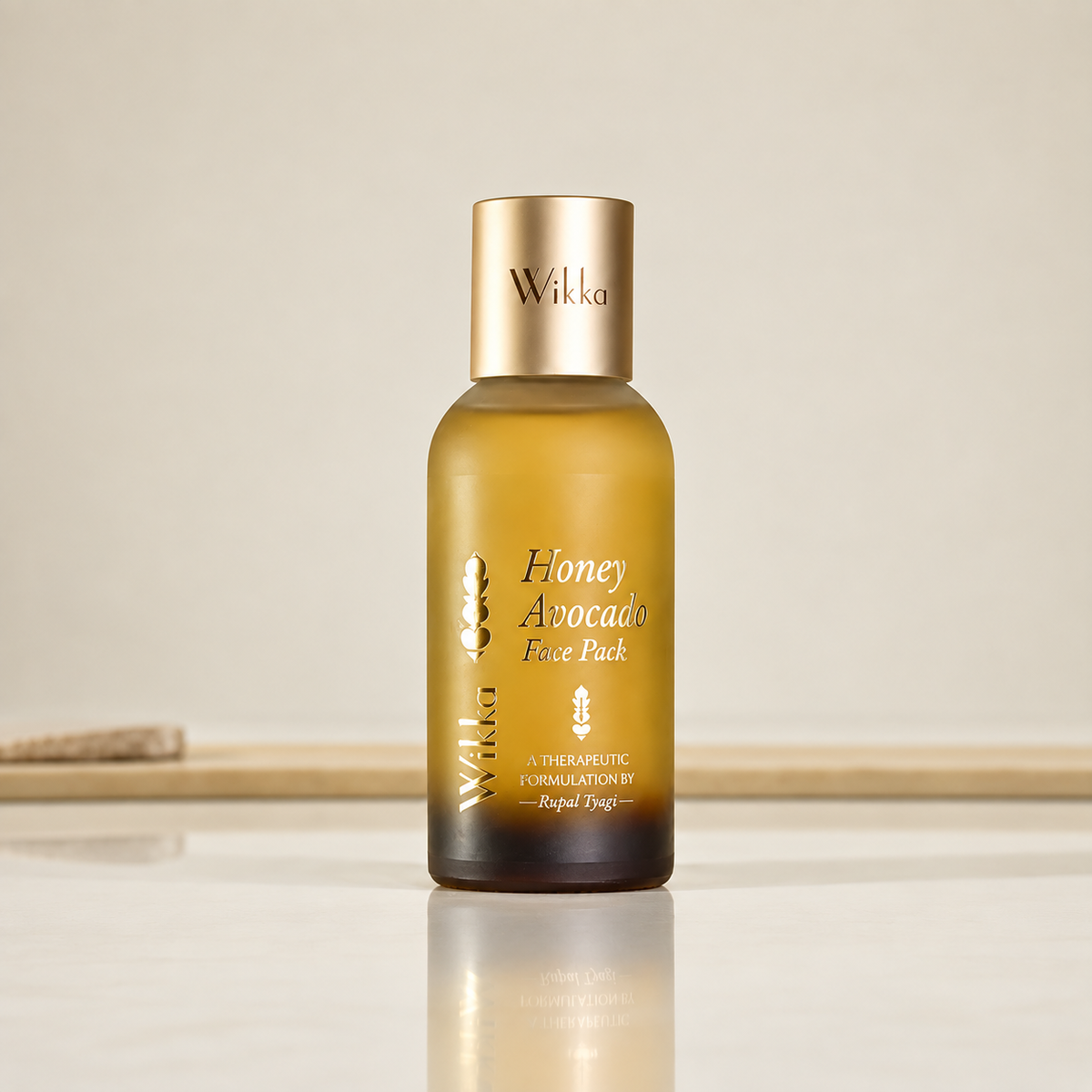
(ii) Fatty Acids and Skin-Loving Oils: Plant oils can provide different fatty acids and other lipid components that help condition and soften the skin. Ingredients such as avocado oil, jojoba oil, rosehip oil, and wheat germ oil can be valuable additions to a thoughtful skincare formulation. Their role is not simply to make the skin feel moisturized; they can also contribute to a nourishing, emollient skincare experience.
(iii) Squalane: A light emollient that helps to soften the skin and alleviate dryness without an oily residue. It can be appealing for people seeking hydration with a more subtle sensory feel.
(iv) Humectants: A healthy barrier needs adequate hydration. Humectants can attract and help hold water, supporting a hydrated, supple feel. However, hydration and barrier support are not the same thing. A good routine generally benefits from both water-binding ingredients and ingredients that help reduce excessive moisture loss.
(v) Vitamin C, E: Vitamin C and E are well-known antioxidants used in many skincare formulations. It can also contribute to the conditioning and nourishing properties of a formula, making it a useful ingredient in barrier-conscious skincare.
(vi) Panthenol: Panthenol, also known as provitamin B5, is valued in skincare for its moisturizing and conditioning properties. It can help leave skin feeling softer and more comfortable.
How to Protect Your Skin Barrier Naturally
Choosing natural skincare for skin barrier support does not mean using every botanical ingredient available. In fact, a thoughtful approach is often better than an excessive one.
-
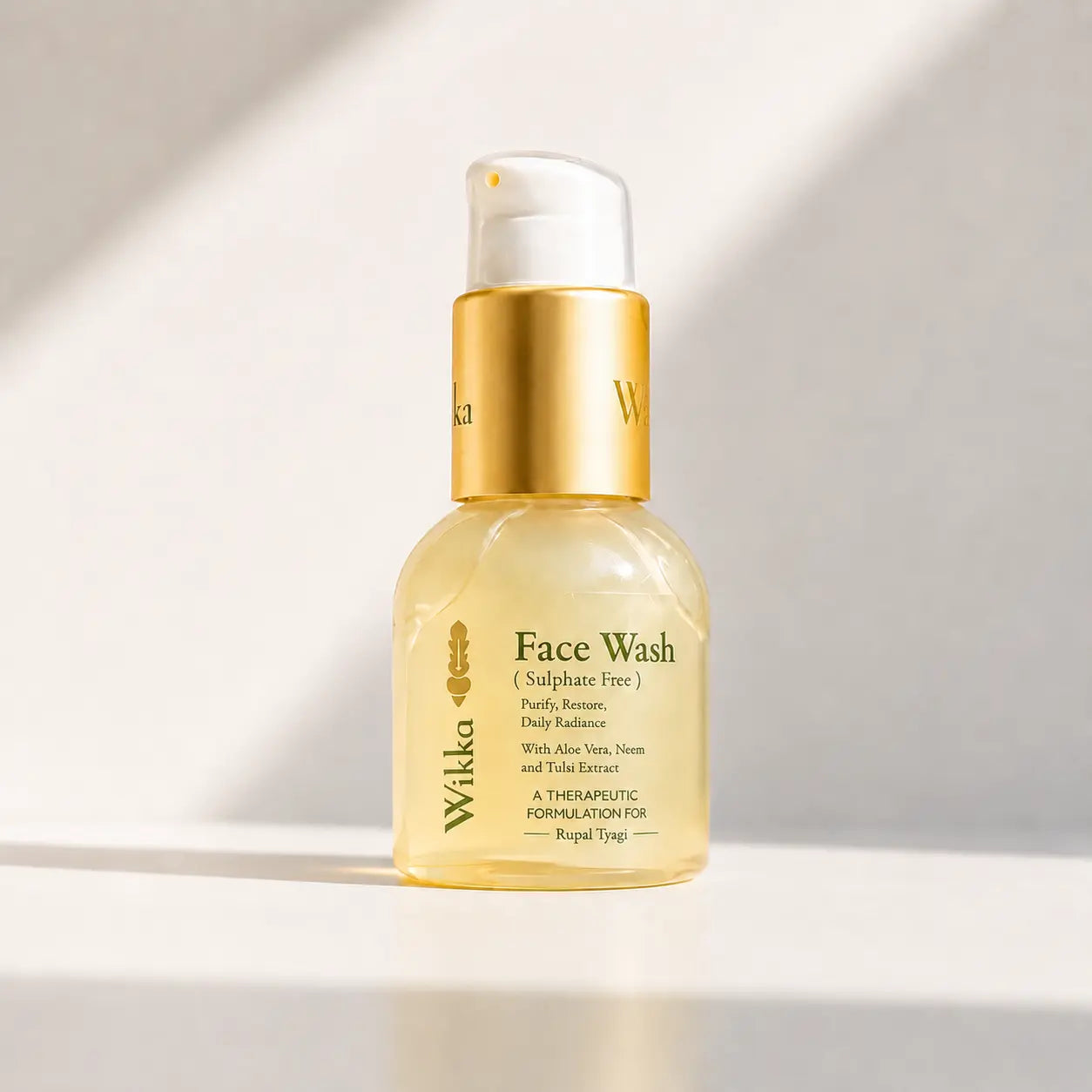
Keep Cleansing Gentle: A cleanser should be able to remove dirt, excess oil, and impurities without leaving the skin feeling stripped. If your face feels unusually tight immediately after cleansing, your cleanser or cleansing routine may be too aggressive for your skin.
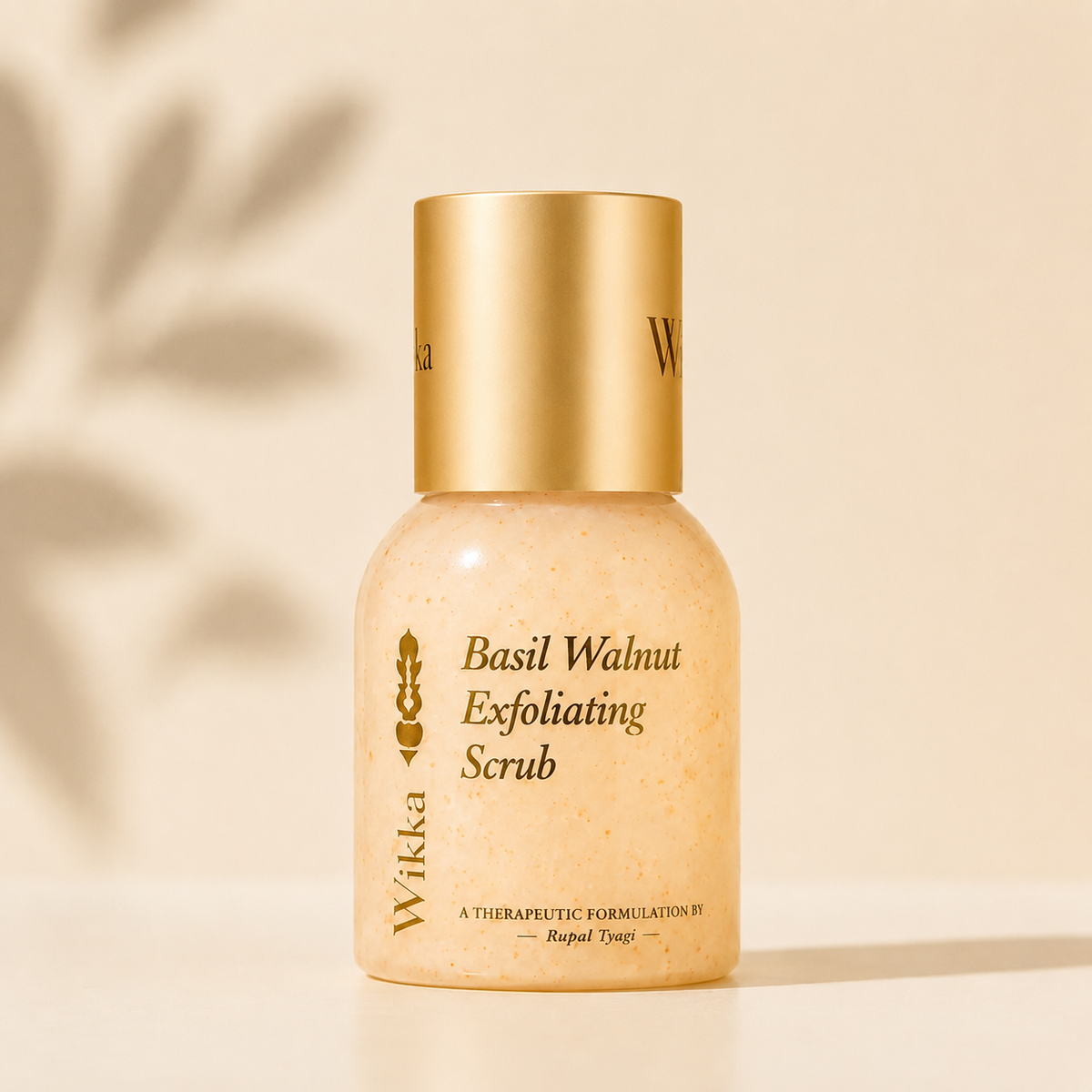
2. Don't Over-Exfoliate: Exfoliation can help improve the appearance of skin texture, but more is not necessarily better. Give your skin time between exfoliating treatments and pay attention to how it responds. If your skin becomes persistently irritated, dry, or sensitive, scaling back may be more beneficial than adding another treatment.
3. Ensure Regular Moisturization: Using moisturizer shouldn't be limited to only when the skin appears dry and dehydrated. Consistent moisturizing promotes soft, supple skin and can enhance the skin's natural barrier function. Look for products with a blend of humectants, emollients, and ingredients that support the barrier.
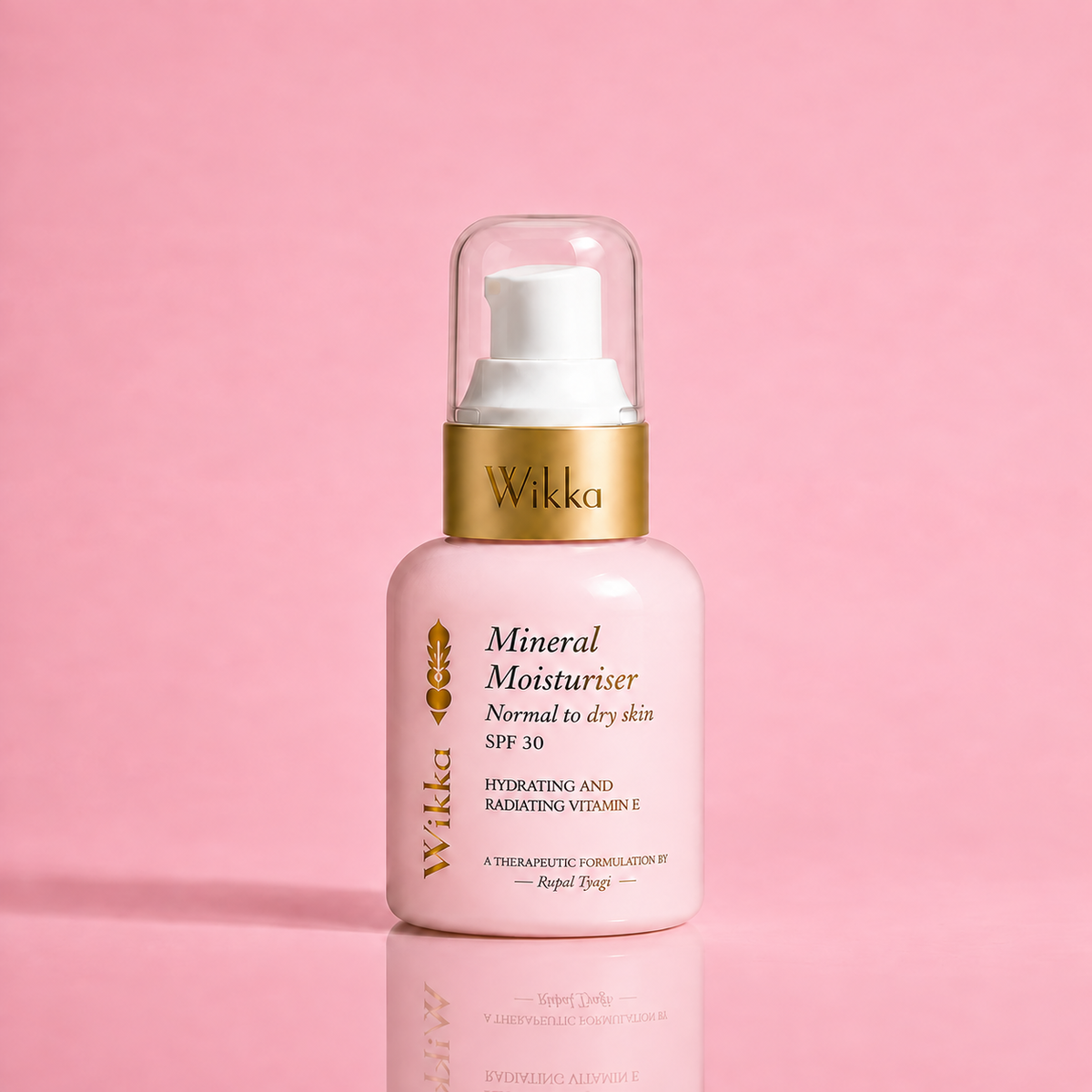
4. Shield the Skin From the Sun: UV exposure can contribute to visible skin aging and can place stress on the skin. Daily sun protection is therefore an important part of maintaining healthy-looking skin. Barrier care is not complete without considering environmental protection.
5. Less is More: When your skin feels irritated, the first thing to do is observe better and listen to the skin, instead of adding more products. Try to understand and identify what your skin tolerates well. A gentle cleanser, appropriate moisturizer, and daytime sun protection may be a better starting point than layering several strong actives.
Natural Does Not Mean Automatically Gentle
There is an important distinction worth remembering: natural does not automatically mean suitable for every skin type.
Botanical ingredients can be beautiful additions to skincare formulations, but their ingredient sourcing transparency, concentration, extraction method, formulation, and overall combination matter. The quality of the complete formulation matters more than whether a product simply carries the word “natural” on its label.
For Wikka, this is where the philosophy of botanical skincare meets thoughtful formulation: using plant-derived ingredients in carefully considered products designed around the skin's needs.
Your Skin Doesn't Need to Be Perfect to Be Healthy
Modern beauty culture can make skincare feel like a constant pursuit of correction: brighter, smoother, tighter, clearer skin. But healthy skin is not necessarily flawless.
A resilient skin barrier allows the complexion to maintain its natural comfort and balance. It gives your skincare routine a stronger foundation and can make the skin feel more supple, hydrated, and at ease.
Sometimes, the most sophisticated skincare choice is not adding another product. It is understanding what your skin actually needs and giving it time to recover, replenish, and rebalance.
The First Step to Better Skin May Be Simpler Than You Think
Before looking for the next revolutionary serum or treatment, start with the foundation.
Cleanse without stripping. Hydrate consistently. Nourish thoughtfully. Protect from the sun. Exfoliate with restraint. And pay attention when your skin tells you, because the most important beauty treatment may already be working for you every day.
Your skin barrier is your first beauty treatment. Take care of it accordingly.