Are You Using the Right Skincare Products for Your Skin? A Guide to Choosing Better
Walk into any skincare aisle or scroll through social media for five minutes, and you will be loaded with recommendations.
A serum for glowing skin. An acid for smoother-looking skin. A face oil for nourishment. A new ingredient everyone suddenly seems to be using.
The difficult part isn't finding skincare products.
It's knowing which ones actually belong on your shelf.
So, before asking “What skincare products should I buy?”, take a step back and ask a better question: “What does my skin need help with?”
Because the goal isn't to own the most skincare products, it's to understand your skin well enough to choose the right skincare products for your skin.
1. Identify What You're Actually Trying to Improve
Knowing your skin type and comprehending your skin concerns are essentially not the same thing.
Take oily skin, for example. One person may be concerned about excess shine. Another may struggle with clogged pores and breakouts. Someone else may have oily skin that still feels dehydrated and uncomfortable.
The same skin type can come with very different concerns and those concerns may require different approaches.
The same applies to dry skin. Is the main issue Roughness? Tightness? Flaking? Sensitivity? Or does the skin simply need more consistent barrier support?
Before choosing skincare products, try to be more specific.
Instead of saying: “My skin is bad.”
Ask:
- Does my skin feel tight after cleansing?
- Is my main concern breakouts?
- Does my skin become easily irritated?
- Does it look dull even though it doesn't feel dry?
- Am I experiencing roughness or uneven texture?
- Does my skin feel oily and uncomfortable at the same time?
The clearer the problem, the easier it is to choose a product with a purpose.
2. Your Skin Type Is Only One Part of the Picture
Knowing your skin type (oily, dry, combination, or sensitive) can help you understand how your skin generally behaves.
But it shouldn't become the only thing guiding your routine.
Think of it this way: Your skin type is the starting point.
Your skin concerns tell you where to go next.
You could have:
- Oily skin + dehydration
- Dry skin + sensitivity
- Combination skin + clogged pores
- Normal skin + dullness
- Oily skin + uneven texture
Two people may have the same skin type but completely different concerns. Therefore, the right skincare products for your skin may be very different from those that work well for someone else.
3. Understand What Your Skin Needs Before Choosing the Product
A skincare product is only useful when you understand the job you're asking it to do.
For instance, if your skin needs hydration, you're looking at its water content and its ability to retain moisture. Hydrated skin often appears plumper, smoother, and more refreshed.
Ingredients commonly used to attract and hold water include Aloe Vera, Hyaluronic acid, Polyglucuronic Acid, among others.
If your skin feels persistently dry, rough, or easily irritated, your routine may need to focus more on comfort and barrier support. Ingredients and formulation components commonly associated with this include ceramides, humectants, fatty acids, squalane, and emollients.
And sometimes, one concern doesn't exist on its own.
You may be looking for hydration while also wanting to support the skin barrier and improve the appearance of dullness. In such cases, it can be more useful to look for a formulation designed to address several complementary needs rather than layering multiple products simply because each contains a different trending ingredient.
For example, a treatment such as Wikka's Dew Drops Instant Hydrating Serum can fit into a routine where the focus is on supporting hydration, skin barrier, and a plumper-looking appearance, rather than adding separate products for every individual benefit.
Similarly, blemishes and pigmentation are common concerns, but they also require a closer look.
Are you dealing with Occasional blemishes? Persistent acne? Clogged pores? Or irritation that you are mistaking for a breakout?
For clogged pores and breakouts, ingredients such as salicylic acid and niacinamide may be relevant depending on the individual's skin and the overall routine.
Where the concern extends to the appearance of blemishes, post-blemish marks, stubborn spots, and uneven-looking skin tone, a targeted treatment may make more sense than repeatedly adding products at random. A product like Wikka's Blemished Skin Potion, designed to be used as part of a nighttime routine, can be considered within this kind of targeted approach.
The point isn't to add a product for every possible concern.
It's to understand what you're trying to address before deciding what belongs in your routine.
Take mindful steps, introduce products thoughtfully, and observe what works for your skin.
4. Choose Ingredients by Function, Not by Hype
Skincare trends on the internet can make one ingredient seem like the jack of all trades.
But in reality no ingredient can exist in isolation.
The same ingredient can appear in different formulations, concentrations, and combinations.
Whether a product suits you can depend on the entire formula, not just the hero ingredient printed on the front of the bottle.
Here are a few examples of skin concerns and ingredients commonly associated with them:
Dehydration: Hyaluronic Acid, Glycerin, Panthenol, Aloe Vera
Dryness and discomfort: Ceramides, Squalane, Emollients, Jojoba, Panthenol
Clogged pores: Selected AHAs, BHAs, Niacinamide
Dull & Uneven tone: Vitamin C, Alpha Arbutin, Niacinamide
Think of this list as a starting point to understand what your skin needs.
The goal is to build a skincare ritual that works together.
5. Use the 4-Fit Test Before Buying Any Skincare Product
When you're unsure how to choose skincare products, use this simple framework.
Before buying, ask whether the product passes four tests.
(i) Concern Fit: Does it address something I actually want to improve?
Don't buy a product simply because of FOMO.
Start with a clear intention: What is this supposed to do for my skin?
If you are buying a serum for hydration, know that hydration is the goal.
If you're buying an exfoliant, know what concern you want it to address.
Every product should ideally have a purpose.
(ii) Formula Fit: Does the formulation suit my preferences and skin?
A well-considered formulation is not simply about adding as many beneficial ingredients as possible. It is the way ingredients complement one another, the texture of the product, and the overall experience of using it can all influence whether a product fits naturally into a routine.
This is also where a formulation-led approach to skincare becomes important.
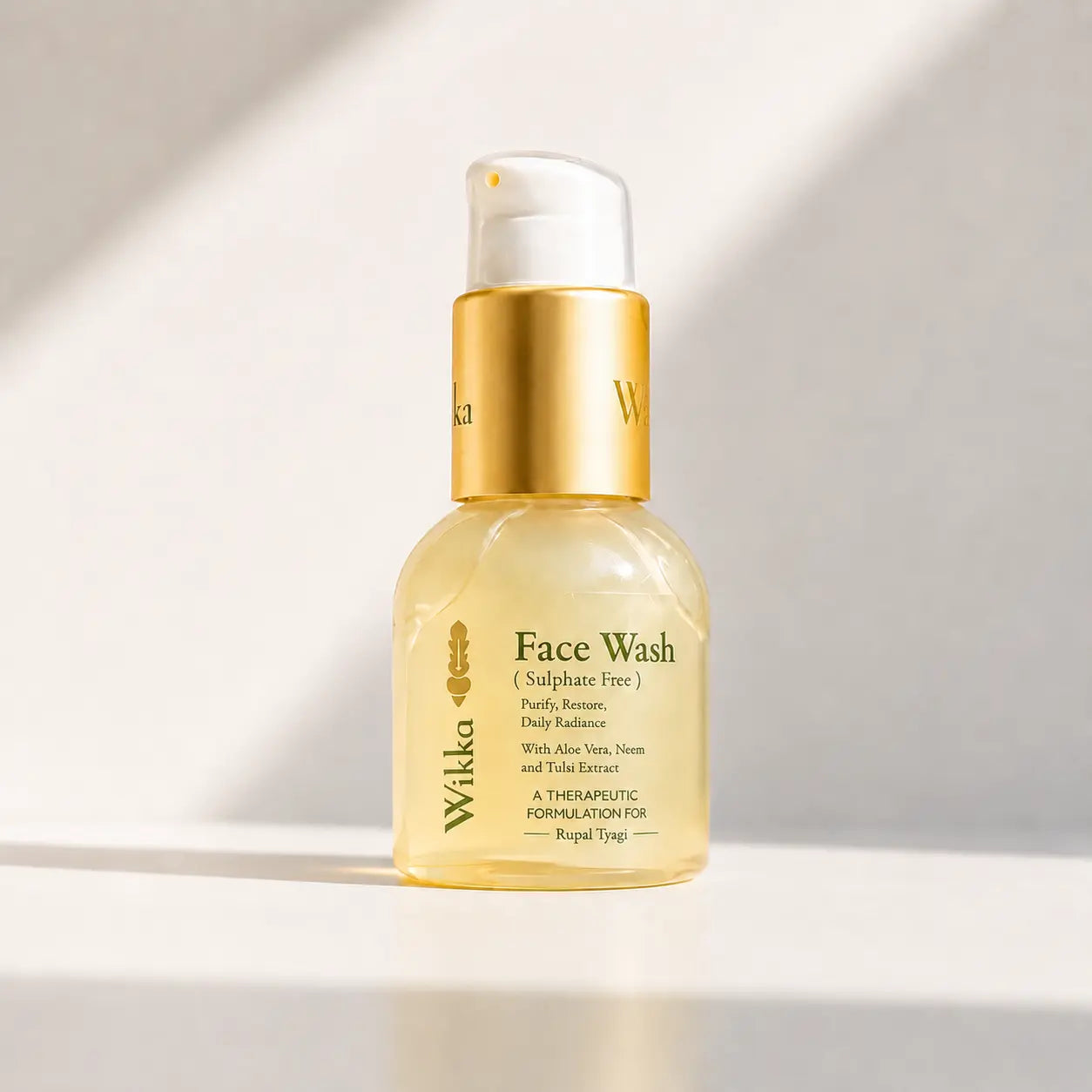
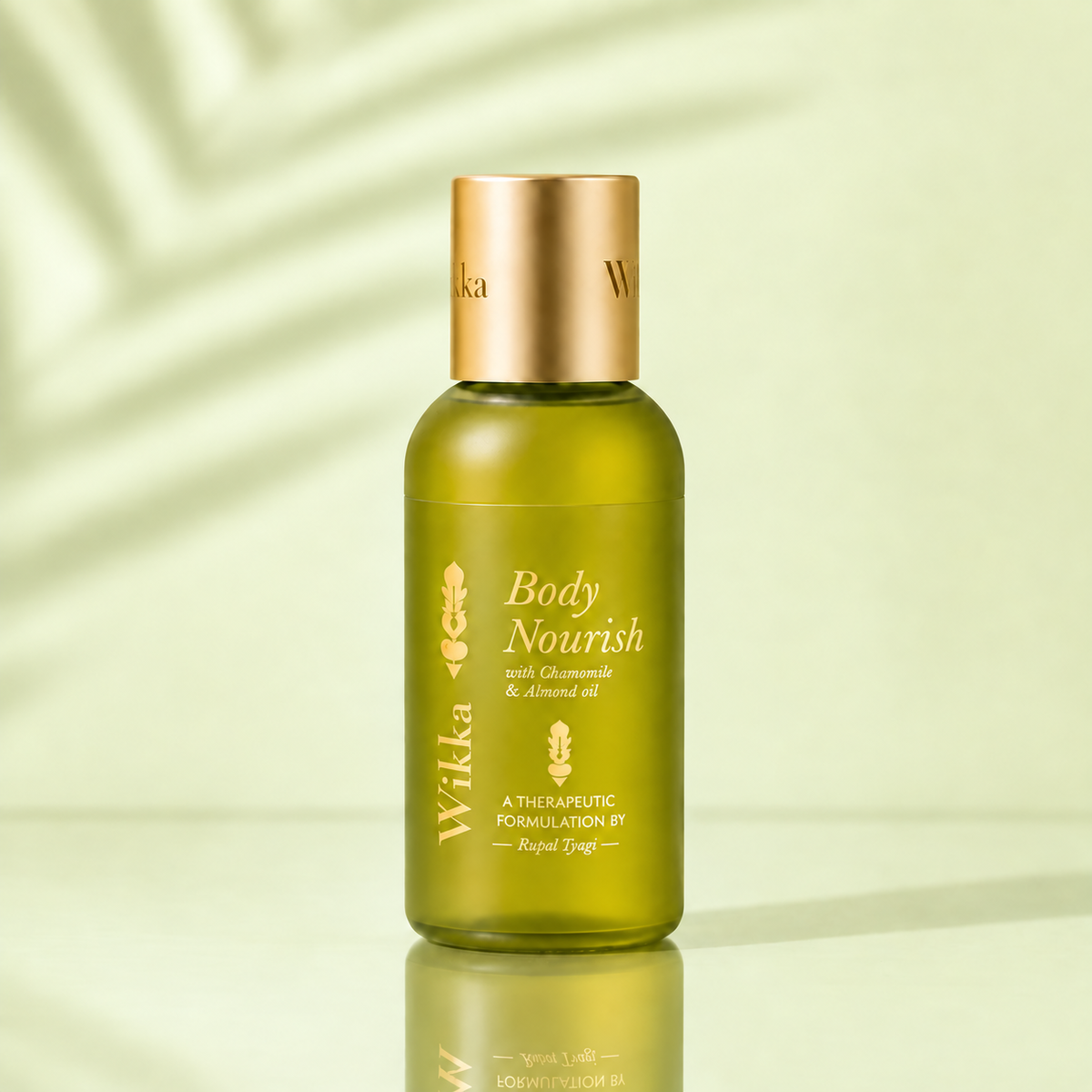
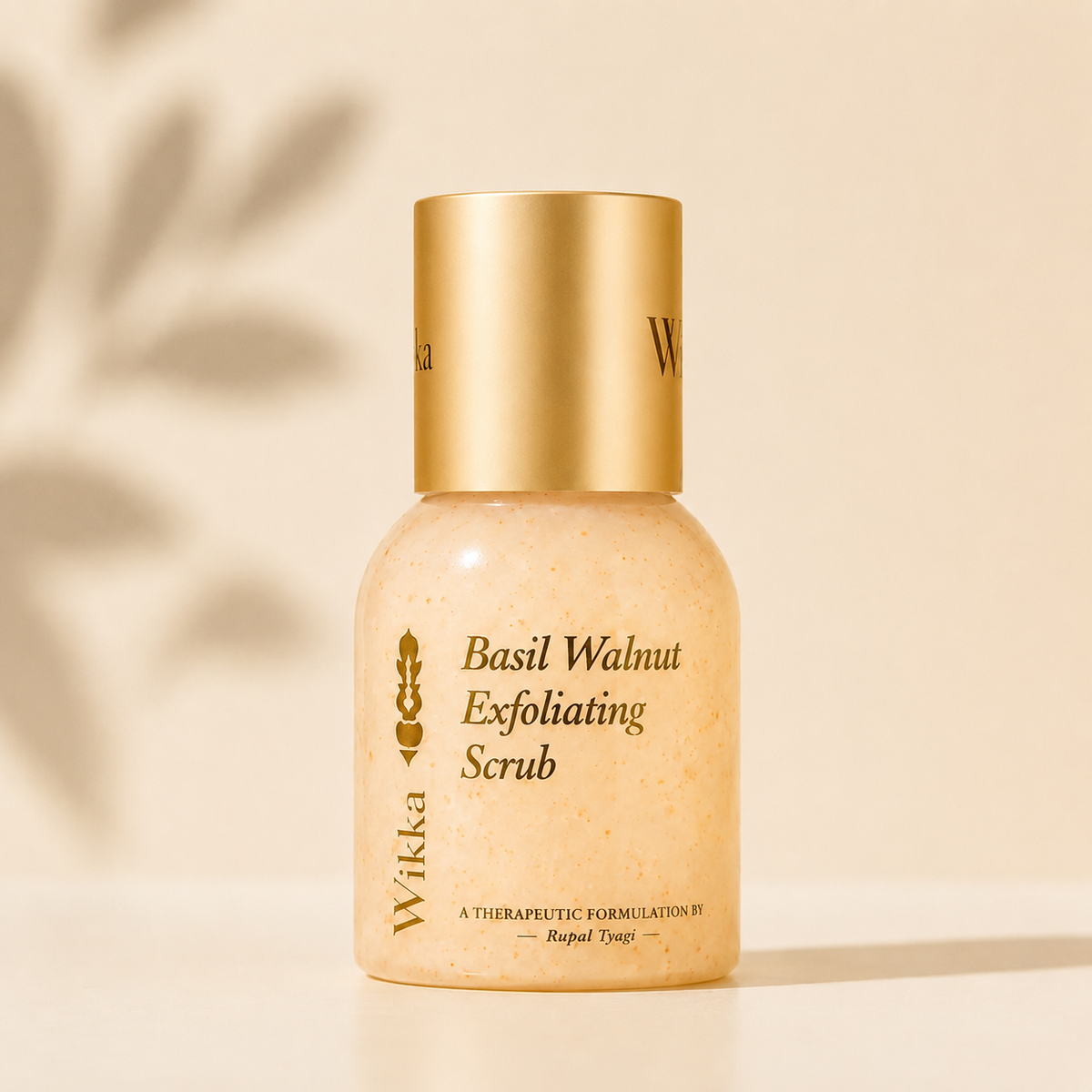
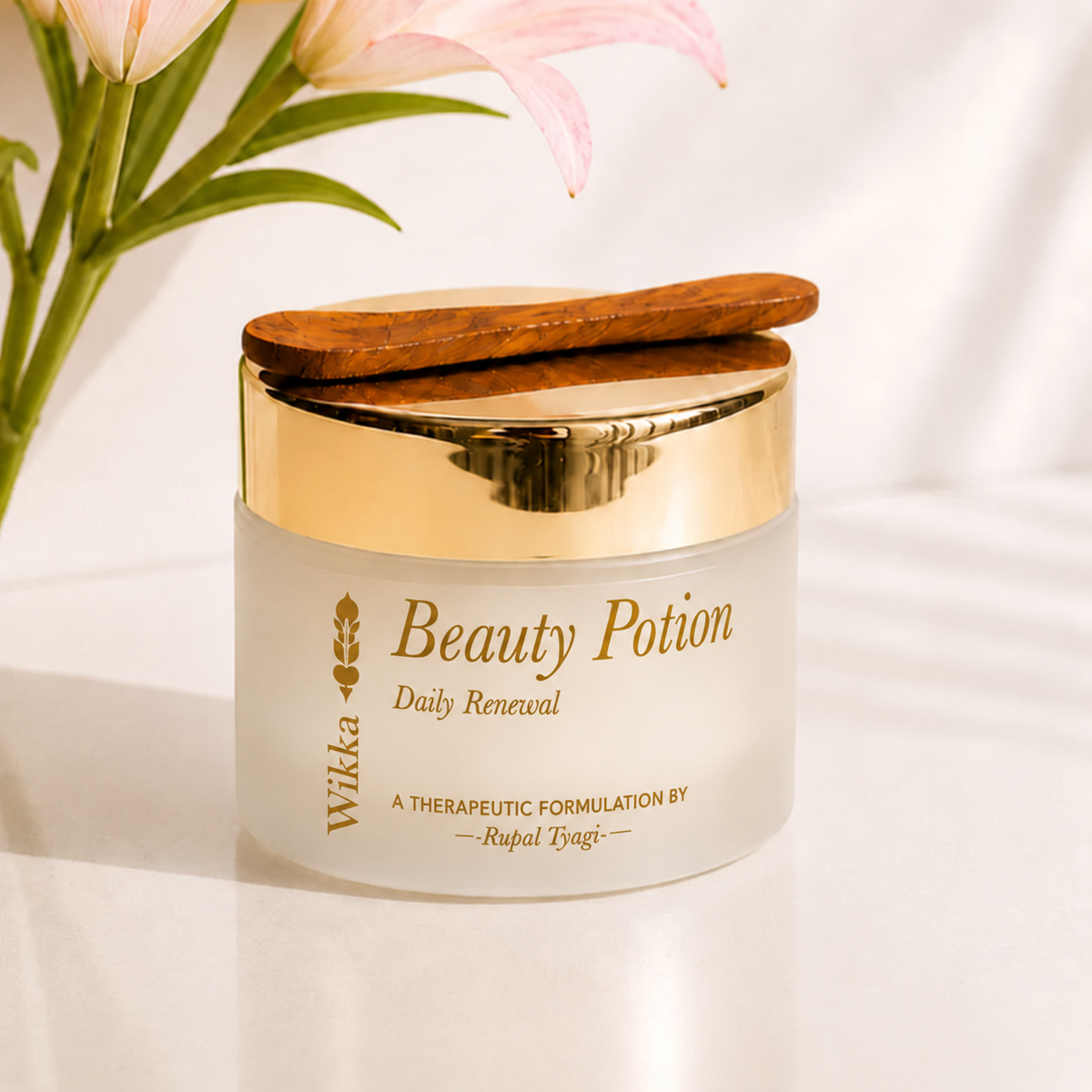
At Wikka, products are developed around thoughtfully selected ingredients and complementary formulations, rather than relying on a single hero ingredient to tell the entire story. The intention is to create skincare that can fit naturally into a ritual where texture, sensorial experience and the function of the formulation work together.
After all, even a beautifully formulated product is only useful if it is something your skin tolerates and you enjoy using consistently.
(iii) Routine Fit: Am I already using something that does the same job?
This is one of the easiest mistakes to make.
You may not need three hydrating serums, two exfoliating acids, or multiple products targeting the same concern.
Look at your routine as a whole.
If you add something new, ask: What gap is this product filling? If you can't answer that question, you may not need it.
(iv) Tolerance Fit: Can my skin handle this alongside everything else I'm using?
This is particularly important with active ingredients.
A product may be perfectly reasonable on its own but become too much when combined with several other potentially irritating products.
Your skincare routine is an ecosystem.
Don't evaluate a product only by what it promises. Consider where it fits into everything you already use.
The Smarter Way to Find the Right Skincare Products for Your Skin
There will always be something new to try.
A new ingredient. A new product. A new skincare trend.
But you don't have to let every trend decide what belongs on your shelf.
Start with your skin.
Identify how it behaves.
Understand what concerns you actually want to address.
Learn the functions different ingredients and formulations can serve. Then evaluate each product before adding it to your routine.
That is how to choose skincare products with more confidence.
The right skincare products for your skin aren't necessarily the most popular.
They're the ones that make sense for your skin, your concerns, and your routine.
Build it around your skin's needs!