

Lemongrass Essential Oil
15 ml
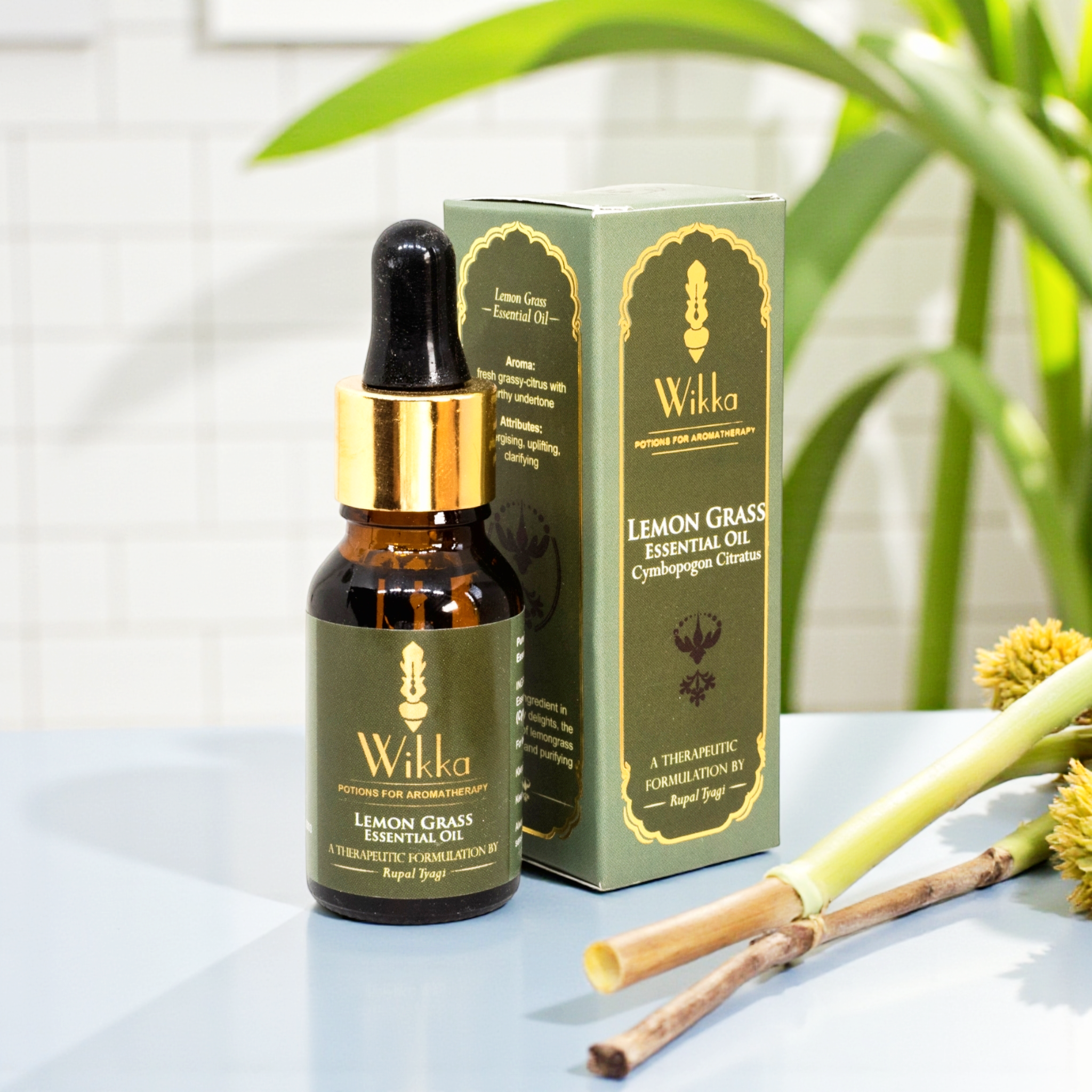
Lemongrass Essential Oil
In stock
Refreshingly energizing, citrusy and herbaceous with an earthy undertone, the sweet and mild Lemongrass, often known for its flavorful seasoning is a prized herb, another one of the valued analgesics, laden with the perks of its anti-fungal, insecticidal, antiseptic, and anti-inflammatory properties.
Botanical Name: Cymbopogon Citratus
Characteristics: It is virtually clear, ranging between pale yellow to amber with thin consistency, a middle‐top fragrance note laced with a fresh and citrusy, grassy & slightly floral aroma
Attributes: energizing, uplifting, cleansing & clarifying
Benefits
How to Use
Key Ingredients

Lemongrass Essential Oil
The purifying and antimicrobial properties of lemongrass essential oil help control dandruff and excess scalp oil. It promotes a clean, refreshed scalp and helps strengthen hair follicles for healthier-looking hair.
Frequently Asked Questions
-
Lemongrass Essential Oil is best known for its fresh, bright, citrusy aroma with a distinctly green, herbaceous character. It is widely used in aromatherapy to create an uplifting, refreshing atmosphere and is also popular in natural personal care and home fragrance applications.
-
Its fresh, citrusy aroma makes Lemongrass Essential Oil a versatile addition to everyday rituals. It can be diffused to refresh living spaces, incorporated into diluted massage blends, or used in suitably formulated bath, body, and home-care preparations. It is especially appealing when you want to bring a crisp, invigorating botanical note into your surroundings.
-
Lemongrass has traditionally been used as a botanical option for helping deter insects. Its strong aromatic profile, particularly its naturally occurring citral content, makes it popular for outdoor sprays, diffusers, and other aromatic applications.
-
Lemongrass blends particularly well with Lavender, Geranium, Eucalyptus, Tea Tree, Peppermint, and citrus essential oils. These combinations can create anything from fresh and invigorating to softer, more balanced aromatic profiles.
-
Look for the botanical name, plant part, country of origin, extraction information, batch details, and purity information. A reputable supplier should also provide appropriate quality and safety documentation. This helps distinguish genuine essential oil from fragrance oils or diluted products.