Best Skincare Routine for Dry and Dehydrated Skin
A skincare routine for dry skin should do more than provide temporary moisture. It should be able to aid in restoring lost lipids, reinforce the skin barrier, and maintain skin comfort all day long. However, dry skin and dehydrated skin are not exactly the same. While dry skin lacks natural oils, dehydrated skin lacks water. Recognizing this difference is the initial step in selecting the appropriate skincare products and creating a routine that truly delivers results.
If your skin frequently feels tight after cleansing, appears dry and flaky, looks lackluster, or never seems adequately hydrated, your skincare routine may need a little attention. The good news is that you do not need an elaborate 10-step routine to improve your skin's hydration. A few well-chosen products, consistent application and gentle skincare habits can make a meaningful difference.
Dry Skin vs Dehydrated Skin
Both dry and dehydrated skin might look similar, but they have different underlying causes. Knowing which condition you are experiencing can help you make better skincare choices.
Dry skin, is a skin type marked by inadequate production of sebum (natural oil). Sebum helps maintain the skin's protective barrier and reduces moisture loss. When the skin does not produce enough oil, it can become rough, flaky, tight and more prone to irritation.
Dehydrated skin, is a skin condition that appears from a lack of adequate water content in the skin's outermost layer. This can be experienced by any skin type, including oily and combination skin. A person with oily skin can still experience dehydration.
What Causes Dry and Dehydrated Skin?
There can be several factors (internal, external) resulting in the skin's ability to retain moisture. Here are a few examples:
a) Harsh Cleansers: Cleansers containing aggressive surfactants or strong fragrances can strip away some of the skin's natural oils. This can leave the skin feeling tight and uncomfortable after washing.
b) Hot Water and Frequent Washing: Frequent face washing and prolonged exposure to hot water can weaken the skin's natural protective barrier and contribute to moisture loss.
c) Damaged Skin Barrier: The skin barrier is the outermost protective layer of the skin. It helps retain moisture while protecting the skin from environmental irritants. When compromised, the skin may become dry, sensitive, flaky and more prone to irritation.
d) Environmental Factors: Even too much sun exposure, pollution, prolonged stay in air conditioning, low humidity and fluctuations in temperature can lead to skin dryness and dehydration.
e) Insufficient Moisturization: Utilizing products that offer only short-term hydration without addressing moisture retention may prove insufficient. Skin needs both water-binding ingredients and moisturizing agents that assist in preserving its protective barrier.
f) Aging and Lifestyle Habits: Natural changes in sebum production, inadequate fluid intake, poor sleep and certain lifestyle factors can influence skin comfort and appearance.
The Optimal Skincare Routine for Dry and Dehydrated Skin
A good skincare routine for dehydrated skin should focus on replenishing water, while a routine for dry skin should also restore the skin's natural lipid balance.
Here is a simple morning and evening routine you can follow.
Morning Skincare Routine for Dry & Dehydrated Skin
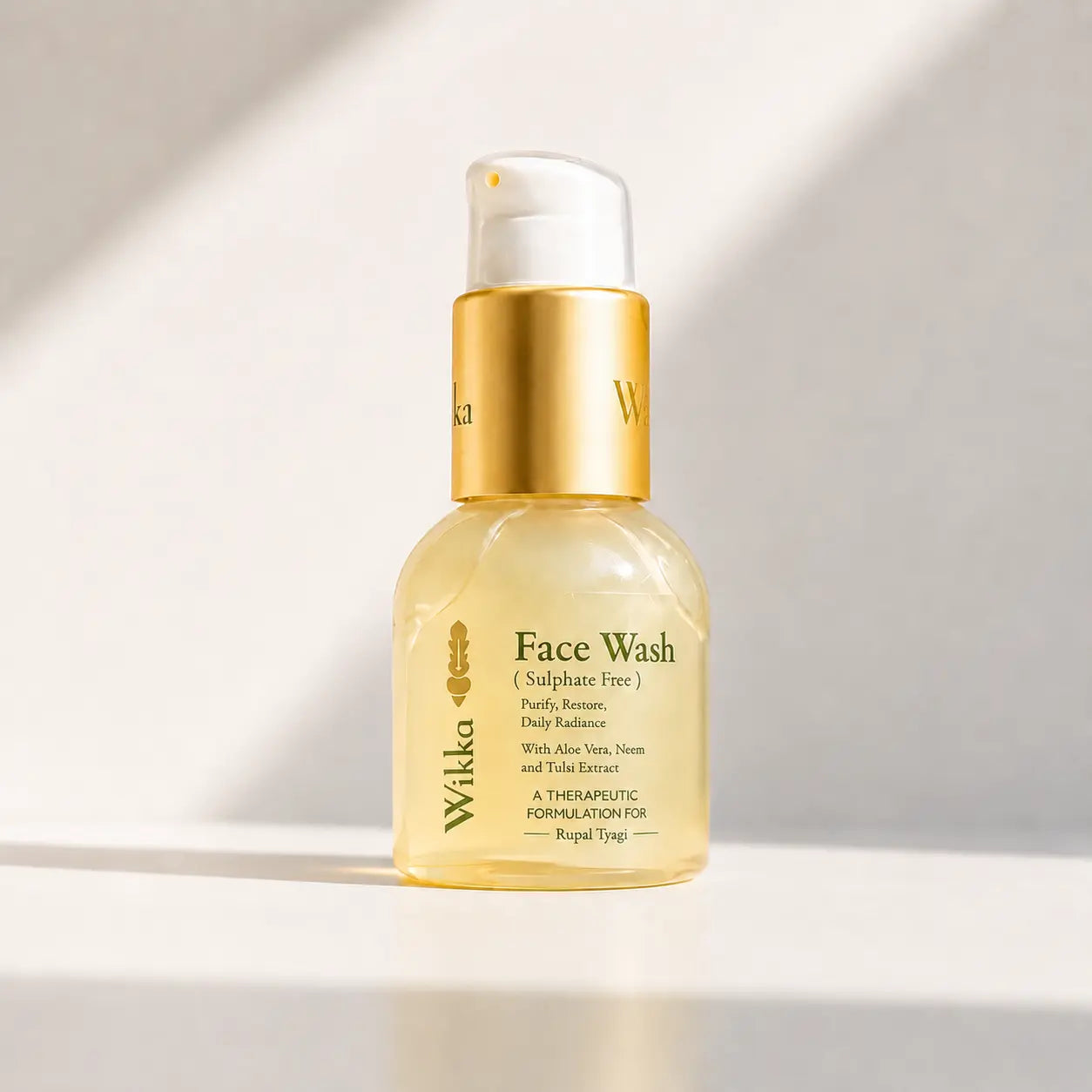
Step 1: Begin with a Gentle Sulphate-free Face Wash
There's nothing a mild, sulfate-free cleanser can't fix. A powerful first step to your skincare routine that effectively removes oil, sweat, and impurities accumulated overnight while preserving your skin's barrier. Look for cleansers with aloe vera, plant based oils they are both hydrating with mild cleansing agents.
Step 2: Apply a Hydrating Serum
A hydrating serum can help replenish the skin's water content and improve its overall appearance.
Look for ingredients such as:
Hyaluronic Acid: To attracts and hold water, helping the skin appear plumper and more hydrated.
Polyglucuronic Acid: A polysaccharide ingredient used in skincare formulations for its moisture-binding properties.
Hydrolyzed Yeast Extract: Used in some skincare formulations to support skin conditioning and hydration.
Step 3: Use a well formulated Moisturizer
A good moisturizer not only helps reduce water loss but also supports the skin barrier, improves skin resilience and seals the skin with moisture. For dry and dehydrated skin, look for formulations containing:
- Antioxidants like Vitamin C, E
- Aloe Vera
- Hyaluronic Acid
- Natural plant oils
If your skin is particularly dry, a richer cream-based moisturiser may be more comfortable than a lightweight lotion.
Step 4: Finish with a Hybrid Sunscreen
Sun protection is considered the most essential part of every skincare routine, regardless of your skin type.
Choose a broad-spectrum sunscreen with SPF 30 or higher. Apply it generously to your face, neck, and other exposed areas. Reapply approximately every two hours when outdoors, and after swimming or sweating.
A mineral sunscreen containing zinc oxide that acts as a physical barrier can be a great option for people with reactive skin.
Night Skincare Routine for Dry and Dehydrated Skin
Your evening routine should focus on cleansing, hydration, and supporting the skin barrier.
Step 1: Cleanse Your Face: Use a gentle cleanser to remove sunscreen, makeup, dirt, and built-up impurities. If you have applied makeup, you might want to double cleanse your skin.
Step 2: Apply a Hydrating Serum: After cleansing, apply a hydrating serum that includes ingredients like hyaluronic acid or other humectants to restore moisture in the outer layers of the skin.
Step 3: Apply a Nourishing Moisturizer: Use a moisturizer that aids in supporting the skin barrier and minimizing moisture loss.
Step 4: Consider a Facial Oil (Optional): If your skin tends to be especially dry, you can think about incorporating a nourishing facial oil into your skincare regimen. Oils such as Sea Buckthorn and Evening Primrose can help replenish the skin, improve softness and provide an added layer of nourishment.
For those looking to address early signs of aging and maintain youthful-looking skin, Bakuchiol can be a great addition to your night care regimen. Known as a plant-derived alternative to retinol, it is used in skincare formulations for smoother, more youthful and radiant-looking skin.
Overall, choose products that suit your skin type and introduce new ingredients gradually to minimize the risk of irritation.
How to Choose the Best Skincare Products for Dry Skin
Not every moisturizer, serum or face wash is suitable for dry and dehydrated skin. The formulation matters just as much as the individual ingredients.
Here are a few things to consider when shopping for skincare products.
-
Choose gentle cleansing formulations: Look for mild cleansers that do not leave your skin feeling stripped or uncomfortable.
-
Prioritize hydration: Serums containing hyaluronic acid and glycerin can be useful for replenishing water in the skin.
-
Look for barrier-supporting ingredients: Ceramides, squalane and nourishing plant oils can complement your moisturising routine.
-
Avoid unnecessary exfoliation: Overusing exfoliating acids, scrubs and strong active ingredients can aggravate dryness and irritation.
-
Consider your skin type: A person with dry skin may prefer a richer cream, while someone with oily but dehydrated skin may find a lightweight, non-comedogenic moisturiser more comfortable.
-
Introduce new products gradually: Patch-test new products and introduce them one at a time, especially if your skin is sensitive.
Common Skincare Mistakes That Can Make Skin Dryness/Dehydration Worse
-
Frequent cleansing: Cleansing your face too often can remove essential natural oils.
-
Using hot water: Lukewarm water is generally gentler on the skin.
-
Skipping moisturiser: Hydrating serums alone may not provide enough protection against moisture loss.
-
Using too many active ingredients: Combining several strong skincare ingredients can overwhelm sensitive or compromised skin.
-
Ignoring sunscreen: UV exposure can contribute to skin damage and compromise overall skin health.
-
Changing products too frequently: Give a suitable skincare routine time to work instead of switching products every few days.
Frequently Asked Questions About Dry and Dehydrated Skin
1. What is the best skincare routine for dry skin?
The best skincare routine for dry skin includes a gentle cleanser, a hydrating serum, a nourishing moisturiser and broad-spectrum sunscreen during the day. At night, cleanse your face, apply a hydrating serum and follow it with a barrier-supporting moisturiser or a face oil. Consistency helps maintain skin comfort and hydration.
2. What is the difference between dry skin and dehydrated skin?
While dry skin is skin type that lacks natural oils, dehydrated skin describes a condition caused by insufficient water in the skin. Dry skin often feels rough and flaky, while dehydrated skin may appear dull, feel tight and show more noticeable fine lines. Both conditions can occur together.
3. Which ingredients are best for dry and dehydrated skin?
Hyaluronic acid and aloe vera are useful humectants for attracting water. Ceramides, squalane and suitable plant oils help condition the skin and support its moisture barrier. A combination of these ingredients can help address different aspects of dryness and dehydration.
Conclusion
Radiant skin comes from addressing its specific requirements. Dry skin demands nutrient and lipid care, while dehydrated skin requires adequate moisture and protection from losing hydration. When both of these issues are present simultaneously, a balanced approach is crucial.
A consistent skincare routine for dry skin should include gentle cleansing, hydrating ingredients, a well formulated moisturiser and daily sun protection. You do not need an extensive collection of products to care for your skin. Focus on well-formulated skincare brands, understand your skin's needs and give your routine time to deliver results.
Ultimately, good skincare is about choosing the right ingredients, maintaining consistency and supporting your skin's natural protective barrier.