Best Skincare for Oily Skin: A Complete Guide to Balancing Excess Oil
Oily skin can be both a blessing and a challenge. While natural sebum helps keep the skin supple and provides a degree of protection, excess oil can leave the face looking shiny, contribute to clogged pores, and make breakouts more likely. The answer, however, is not to strip the skin of every trace of oil.
One of the most common mistakes people with oily skin make is using aggressive cleansers, frequent exfoliation, in hopes of achieving a full matte look. However, this practice can end up irritating the skin and disrupting the moisture balance. Skin experts suggest taking a gentler approach to skin: cleansing without excessive stripping, adequate hydration, shielding the skin from UV exposure, and incorporating targeted treatments according to what the skin demands.
So, wondering what the best skincare for oily skin is?
It is skincare that helps manage excess sebum while keeping the skin comfortable, hydrated, and supported.
Understanding Oily Skin
Oily skin happens when the sebaceous glands generate an excess of sebum beyond what the skin requires. Sebum itself is not the enemy. It is part of the skin's natural protective system and helps maintain softness and lubrication.
The actual challenge begins when excess sebum mixes with dead skin cells, sweat, makeup, pollution, and so on. This results in clogged pores, blackheads, and acne. Therefore, managing oily skin is less about eliminating every trace of oil from skin and more about finding a balance.
Your skin does not need to feel tight and squeaky-clean after cleansing. That sensation can actually be a sign that your cleanser is doing too much.
What Are the Best Ingredients for Oily Skin?
When choosing skincare for oily skin, look beyond the words "oil control" on the label. The most useful ingredients are those that address excess oil, congestion, hydration, and the overall condition of the skin.
1. Niacinamide: A form of vitamin B3, it is a versatile ingredient that works well in routines designed for oily or blemish-prone skin. Known to help improve the appearance of pores, support the skin barrier, and reduce excessive shine. Skin experts also include niacinamide among ingredients that can be useful for oily or acne-prone skin. Because oily skin can still become dehydrated, a well-formulated product containing niacinamide can be a useful addition to a balanced routine.
2. Salicylic Acid: It is particularly useful when the skin produces excess sebum accompanied by clogged pores and breakouts. It works by penetrating into the pores, clearing dead skin cells, and addressing both congestion and skin texture concerns. However, overuse can cause dryness or irritation, particularly when combined with several other active ingredients.
3. Hyaluronic Acid: Oily skin needs hydration too, and it is a humectant widely used in skincare formulations that can help attract and retain water in the skin. This makes it particularly useful when you want hydration without relying on a rich, heavy-feeling cream.
4. Gentle Exfoliating Acids: Based on the skin's sensitivity, ingredients like glycolic acid, lactic acid, and salicylic acid can help improve the appearance of rough texture and clogged pores. The key is using them in moderation. Oily skin does not automatically mean resilient skin. If your face becomes tight, irritated, flaky, or unusually sensitive, it may be a sign that your routine needs less exfoliation.
The Secret to Oily Skin? Don't Over-Cleanse
It can be tempting to wash an oily face repeatedly throughout the day.
But if your cleansing routine leaves your skin feeling tight or uncomfortable, it may be doing more harm than good. A gentle cleanser is generally preferable to a harsh formula designed to completely remove every trace of oil.
And remember: “Clean is not the same as stripped.”
A Simple Skincare Routine for Oily Skin
Once you understand what oily skin needs, building a skincare routine becomes much simpler.
Step 1: Gentle cleansing
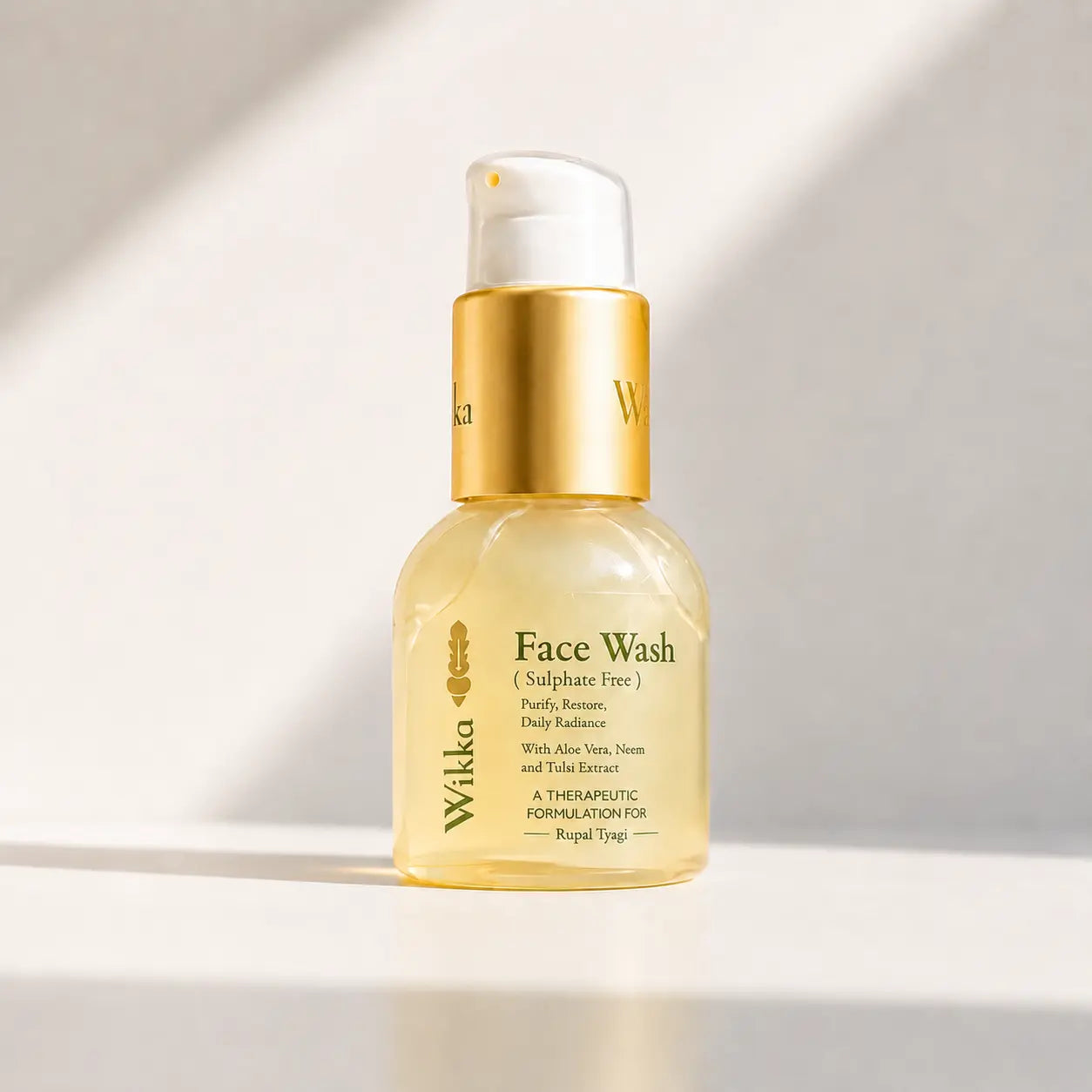
Begin your morning skincare with a mild, gentle cleanser to eliminate overnight sweat, excess sebum, and other impurities without stripping the skin. The Sulphate-Free Face Wash from Wikka is infused with skin-conditioning Aloe Vera, purifying Neem, and Tulsi, leaving skin refreshed, soft, supple, and well-conditioned after every wash.
At night, double cleansing can be beneficial if you love wearing makeup or use sunscreen throughout the day.
Step 2: Hydrate with a lightweight serum
This is where hydration becomes important.
The Dew Drops Instant Hydrating Serum can be incorporated at this stage as a lightweight hydration step. Its formulation includes bioavailable form of Hyaluronic Acid, Polyglucuronic Acid, Hydrolyzed Yeast Extract, AA2G Vitamin C, Lecithin, bringing together humectant and conditioning ingredients in a serum designed to replenish moisture at multiple levels. Apply it to freshly cleansed skin and allow it to settle before moving on to the next product.
Step 3: Nourish & Moisturize
Yes, even oily skin needs moisture.
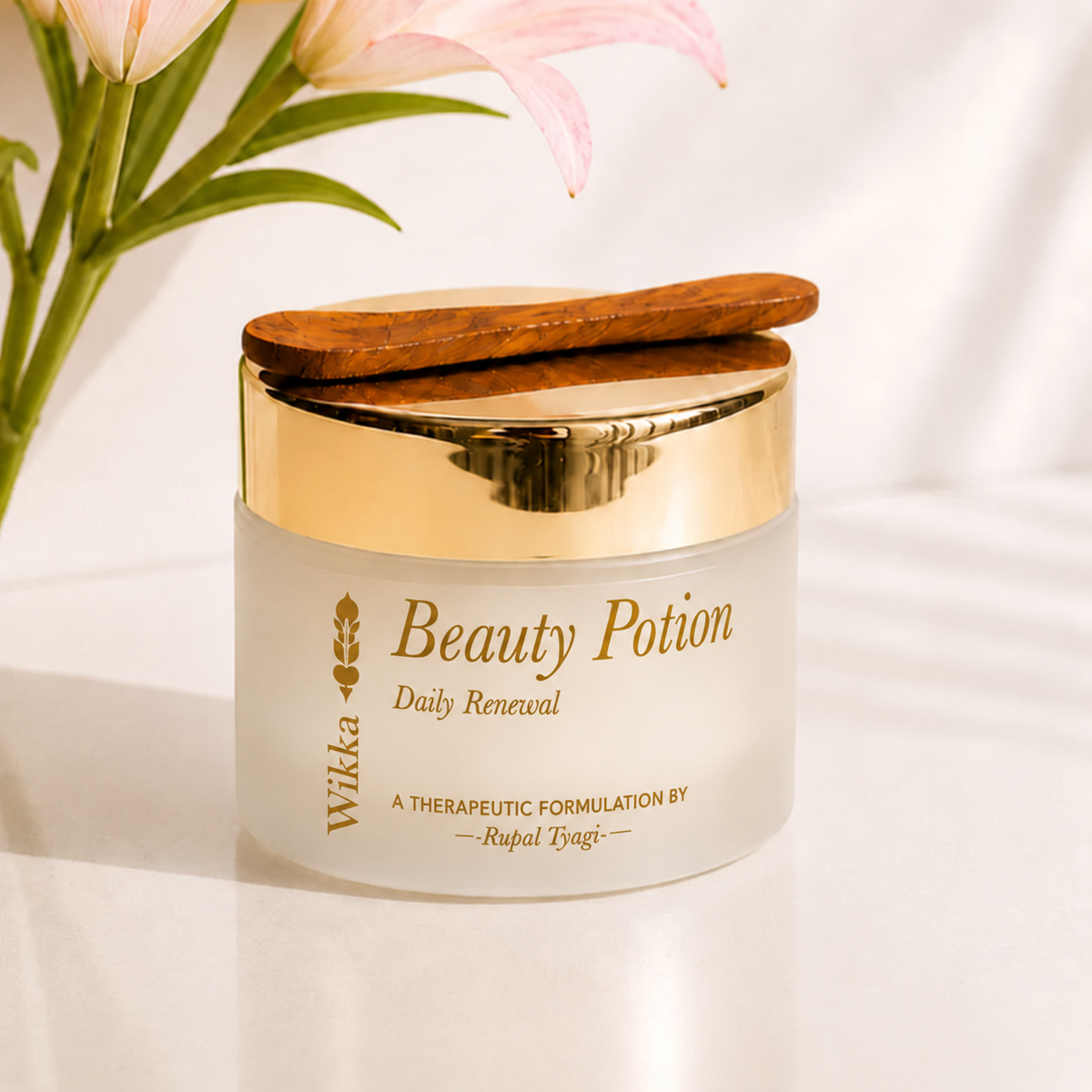
The Beauty Potion can be a beautiful addition to an oily-skin routine when your skin needs nourishment and conditioning. Expertly formulated with advanced bio-actives and nutrient-rich botanicals, it helps replenish moisture and leaves the complexion feeling soft, supple, and deeply nourished, without making skincare feel heavy or overwhelming.
Step 4: Protect & Glow
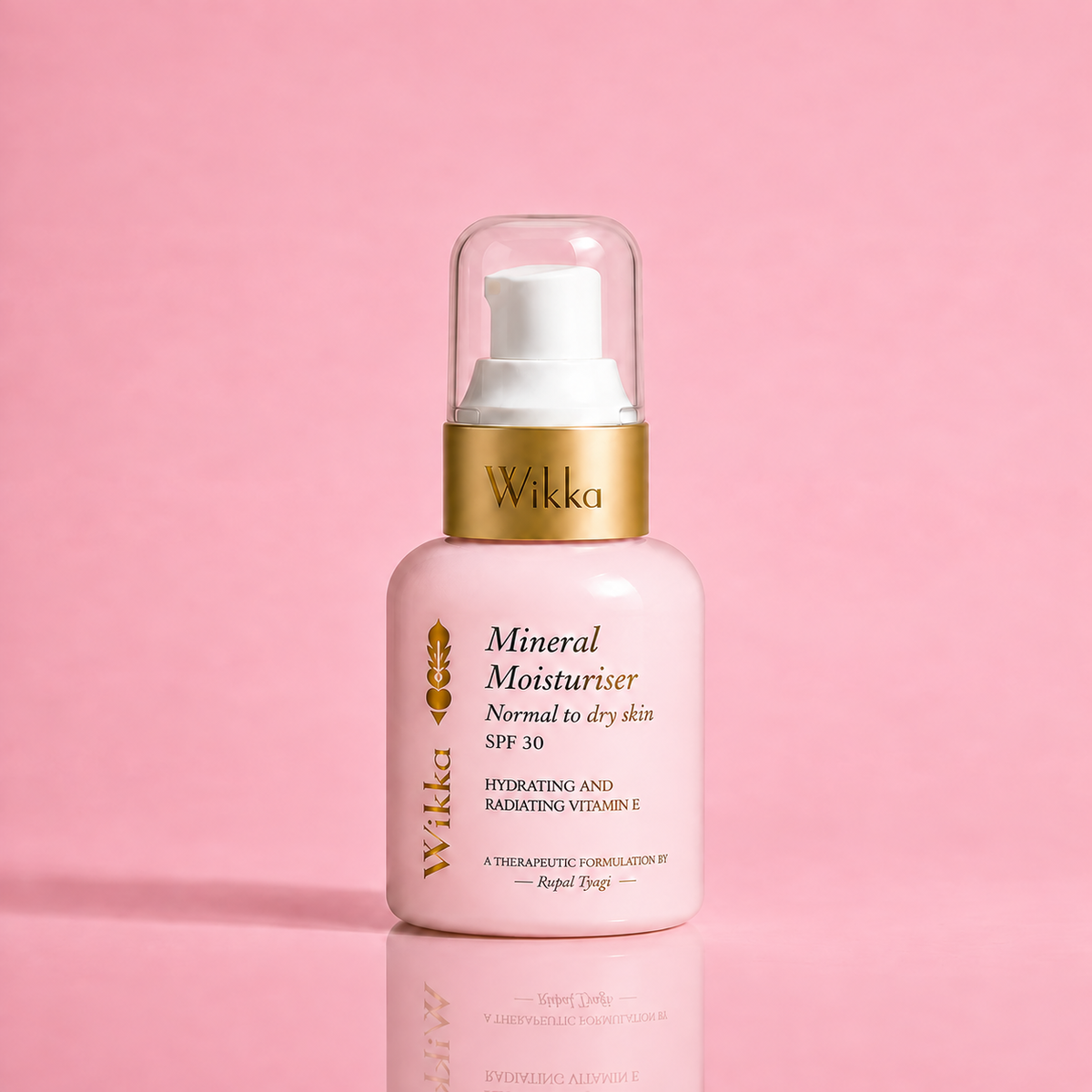
Emphasize on preserving the barrier, protecting it from UV radiation for resilient skin. Seek for a high-quality advanced physical sunscreen that can provide broad-spectrum defense in a non-greasy, formula.
Ideally, it should integrate seamlessly into the skin without feeling heavy or leaving a white cast, while providing a smooth finish. For those with both oily and acne-prone skin, it is also worth looking for products that are labeled “non-comedogenic”.
Can Oily Skin Be Dehydrated?
Absolutely, Oily skin refers to the amount of sebum your skin produces, while dehydration refers to lack of water in the skin. This means your complexion can appear shiny on the surface while still feeling uncomfortable or lacking suppleness.
Over-cleansing, over-exfoliation, aggressive oil-control products, environmental factors, and insufficient hydration can all lead to dehydration. Hence, the goal of an effective skincare routine for oily skin is to focus on maintaining hydration while managing excess sebum.
Common Oily Skin Mistakes to Avoid
- Cleansing too frequently can strip the skin of its essential moisture, leading to irritation. Stick to gentle cleansing rather than repeatedly washing throughout the day.
- Avoid skipping moisturizer because oily skin still needs hydration and barrier support. Choose a lightweight moisturizer that provides moisture without feeling heavy or greasy.
- Combining multiple acids, retinoids, and other potent actives without a clear purpose can overwhelm the skin and lead to dryness, sensitivity, and irritation.
- Stop choosing products solely for their “oil-control” claims. Look beyond the immediate finish and consider the overall formulation.
- Don't focus on a single hero ingredient. Consider whether the complete formula is designed to support your skin's long-term comfort and balance.
Finding the best skincare for oily skin is not about making your skin as matte as possible, about achieving a healthy sustainable balance. The right combination of gentle cleansing, intelligent hydration, targeted ingredients, appropriate nourishment, and daily sun protection can help oily skin look clearer, calmer, and more comfortable.